
This is your very first post. Click the Edit link to modify or delete it, or start a new post. If you like, use this post to tell readers why you started this blog and what you plan to do with it.

This is your very first post. Click the Edit link to modify or delete it, or start a new post. If you like, use this post to tell readers why you started this blog and what you plan to do with it.
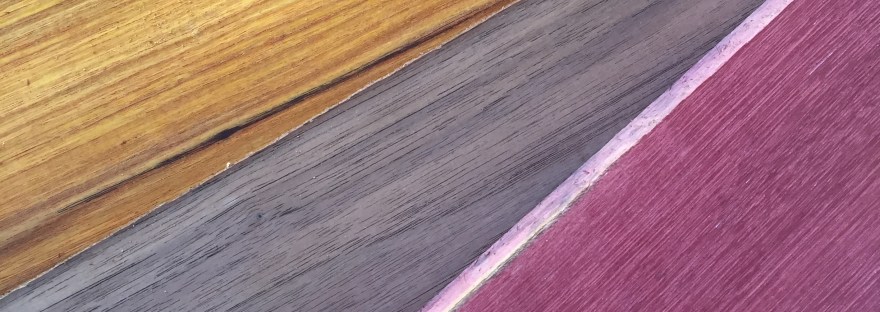
Now that you have a beautiful new cheese board, you’ll want to make sure it stays that way. Below are tips to help maintain your cheese board so it looks like it did the day you brought it home.
DO NOT:
If your board begins to smell or has stains you can use white vinegar or lemon juice to clean the board. The acid will neutralize organic material causing the problems.
Board Maintenance
To apply board conditioner, wait until the board is dry after washing, then apply a small amount of conditioner to the board. Using a soft cloth, rub the conditioner into the wood in a circular pattern, forming a thin coat. Repeat over the entire surface of the board and especially the sides. Board conditioner acts as a physical barrier on the surface of the wood that protects against stains and liquids. The conditioner also aids in sanitation, as it fills and seals in knife scars and microscopic cracks where bacteria would otherwise gather.
We recommended you condition your cutting board every month or when dry to the touch with Howard’s butcher block conditioner. Natural oils such as vegetable, corn, olive, peanut or walnut oil, are rich in fats that will eventually oxidize and go rancid, creating a foul smelling board, and are therefore not recommended. If you choose to use mineral oil, please make sure it is food grade, standard mineral oil in not intended for use with items that will come in contact with food.

 Every project has scraps, some project have more than others. I recently found myself with some short pieces or unsuitable pieces of wood for cheese boards and didn’t want to waste them. I made a quick trip to Pinterest for some inspiration and combined a few ideas I saw and came up with these little wall sconces. Each one varies in size and shape due to the scraps of wood I end up with. I can put different colored lights and bows on them, and even customize them with a name or image on the wood over the lighted portion. Contact me if you’re interested in getting a cute home decor item for yourself or for someone as a gift.
Naturesknottywork@gmail.com
 Nature's Knotty Work